
Cabinet Buying Near Newnan, GA
Bring your project details together before considering a cabinet purchase.
Send my cabinet inquiry
Or call (562) 203-3232. Calls only, we do not receive text messages.
A location name helps identify a cabinet inquiry; it does not explain the room or the seller's offer. Buyers near Newnan can use this directory to keep those two kinds of information separate. Newnan Cabinet Journal's Senoia, Sharpsburg, and Grantville guides each follow a different purchase exercise, while the actual address and project conditions still need their own record.
- Independent buying guidance
- Product inquiries
- Seller availability confirmed separately
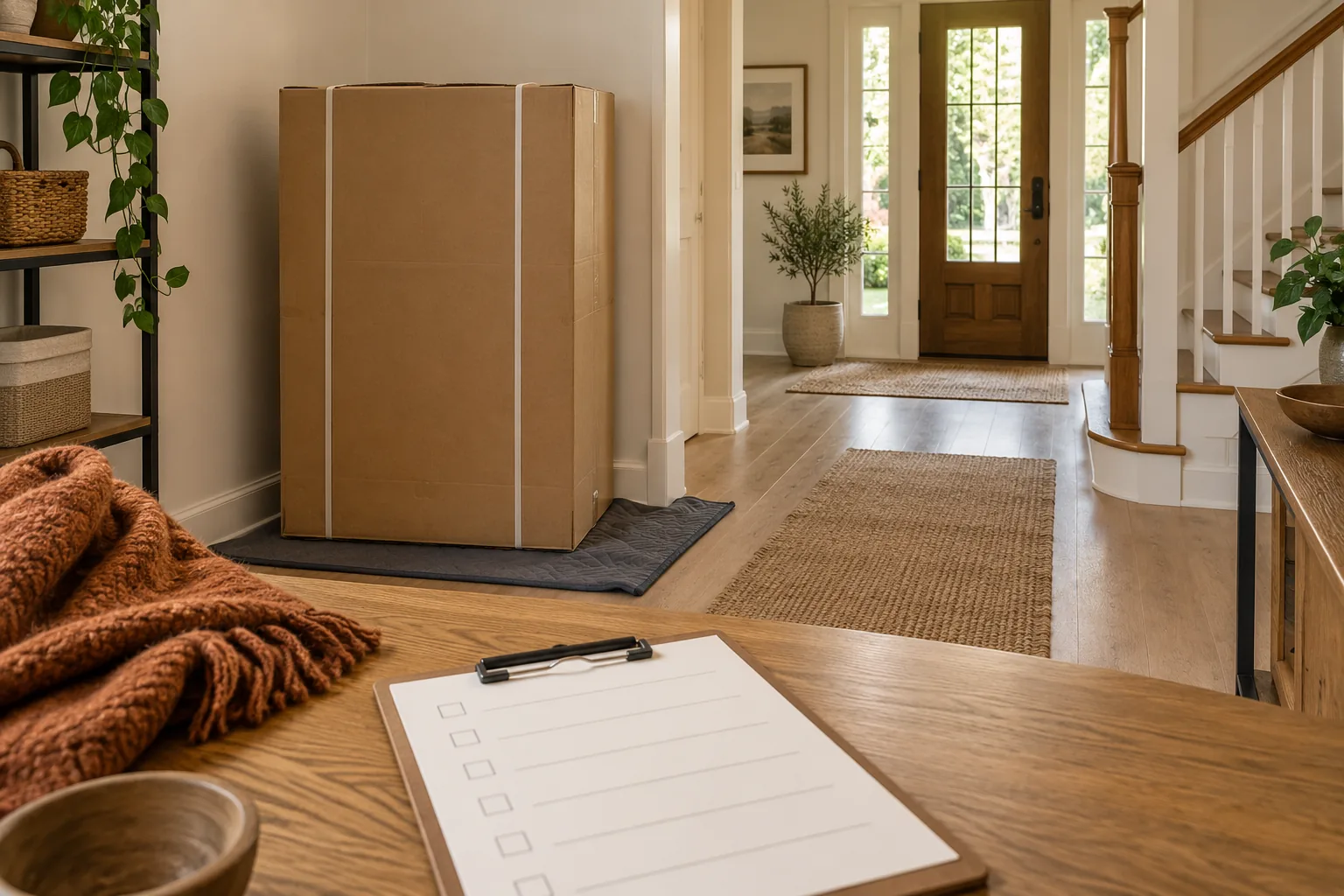
Project location changes the buying questions
The local source supports naming these municipalities, and little more about an individual purchase. Rather than guessing at housing, road access, or vendor territory, use the guides to prepare questions that someone can answer for your property. The owner reviews inquiry records with that distinction intact. A town page does not establish supplier participation or an introduction.
About Newnan Cabinet Journal
Know who handles each part
Independent cabinet buying information and quote-request service. We do not manufacture, stock or install cabinets. A referral, supplier response, appointment or purchase is not guaranteed. Product availability, delivery and installation must be confirmed directly with the seller or separately engaged contractor.
Local buying information
Local buying guides
What the Coweta source establishes
The county's 2025 SPLOST publication identifies Newnan, Senoia, Sharpsburg, and Grantville as municipalities in the supported local ledger. It gives this directory its place names. It is not a cabinet-shopping survey or a catalog of available goods, and this directory does not convert it into either one.
That narrow source is useful when keeping project records distinct. A person discussing one room in Sharpsburg and another in Newnan should name each location clearly instead of using a county label for both. Whether one seller can fulfill both requests remains a separate question. The municipality listing offers no evidence of a delivery zone following a municipal boundary.
Keep the source limit visible while planning. There is no supported basis here for assigning a particular driveway, construction era, approval process, or access condition to everyone in a town. If one of those matters to your order, record the fact you observed or the answer obtained for the specific address. Do not substitute a local-sounding description for that investigation.
Senoia: test a staged kitchen purchase
The Senoia guide uses a hypothetical kitchen buyer who wants to make decisions in stages. The exercise starts with identifying what must be selected together and what might safely remain optional. It is useful for someone choosing between buying the main units now and revisiting an accessory later. That purchasing problem is chosen for the guide; it is not evidence that Senoia households commonly buy that way.
Prepare an essential-unit list and a separate later-purchase list. Then ask the proposed seller whether the later items are sold separately, whether finish matching can be relied upon, and whether another order changes freight or minimum purchase terms. None of those answers can be inferred from a product photograph. A staged plan is only useful if its dependencies are understood.
The locality name on the inquiry should remain Senoia if that identifies the project. Attach the staging question, preferred timing, and any already selected product details. A possible seller still has to accept the address and the requested transaction. Do not read the guide's example as a commitment that a seller will hold pieces for a later phase.

Sharpsburg: assemble a complete vanity request
For Sharpsburg, the exercise follows a hypothetical buyer replacing a bathroom vanity while trying to retain other components. Its central question is what can remain and what needs to be checked before the new cabinet is ordered. A retained top or basin can impose requirements that a cabinet width alone does not describe.
Start a component inventory: cabinet, top, basin, faucet, drain arrangement, and any visible side pieces. Record which items are staying and which are only possibilities. A photograph helps explain the goal, but the actual dimensions and product specifications must decide whether the proposed combination works. Ask the person undertaking related work which information they need before accepting it.
Sharpsburg's separate municipal identity is supported by the county source. No bathroom configuration or property access pattern is supported by that identity. The guide therefore uses a practical buying scenario without calling it a typical local bathroom. A reader with a different project can apply the same method to the components they actually have.
Grantville: trace the order through receiving
The Grantville guide follows a hypothetical purchase in which someone other than the buyer will receive the cartons. The focus is a clean handoff: identifying what was ordered, what should arrive, who checks it, and where questions go. This can matter for a single room or a larger package and does not depend on a claim about Grantville's position near a county line.
Prepare a receiving copy of the accepted schedule with recognizable unit labels. Ask the seller which shipment documents will accompany the goods and what its reporting procedure requires. The receiving person needs to know how to note a visible issue without making promises about an unseen product. The guide cannot prescribe a universal inspection deadline for an unidentified seller.
Use Grantville as the stated project locality and provide whatever address detail a real seller needs to assess fulfillment. Freight coverage, vehicle access, unloading, and storage are unresolved until confirmed for the order. The municipal source does not settle them. A carefully organized handoff can reveal those unknowns without inventing a local delivery rule.
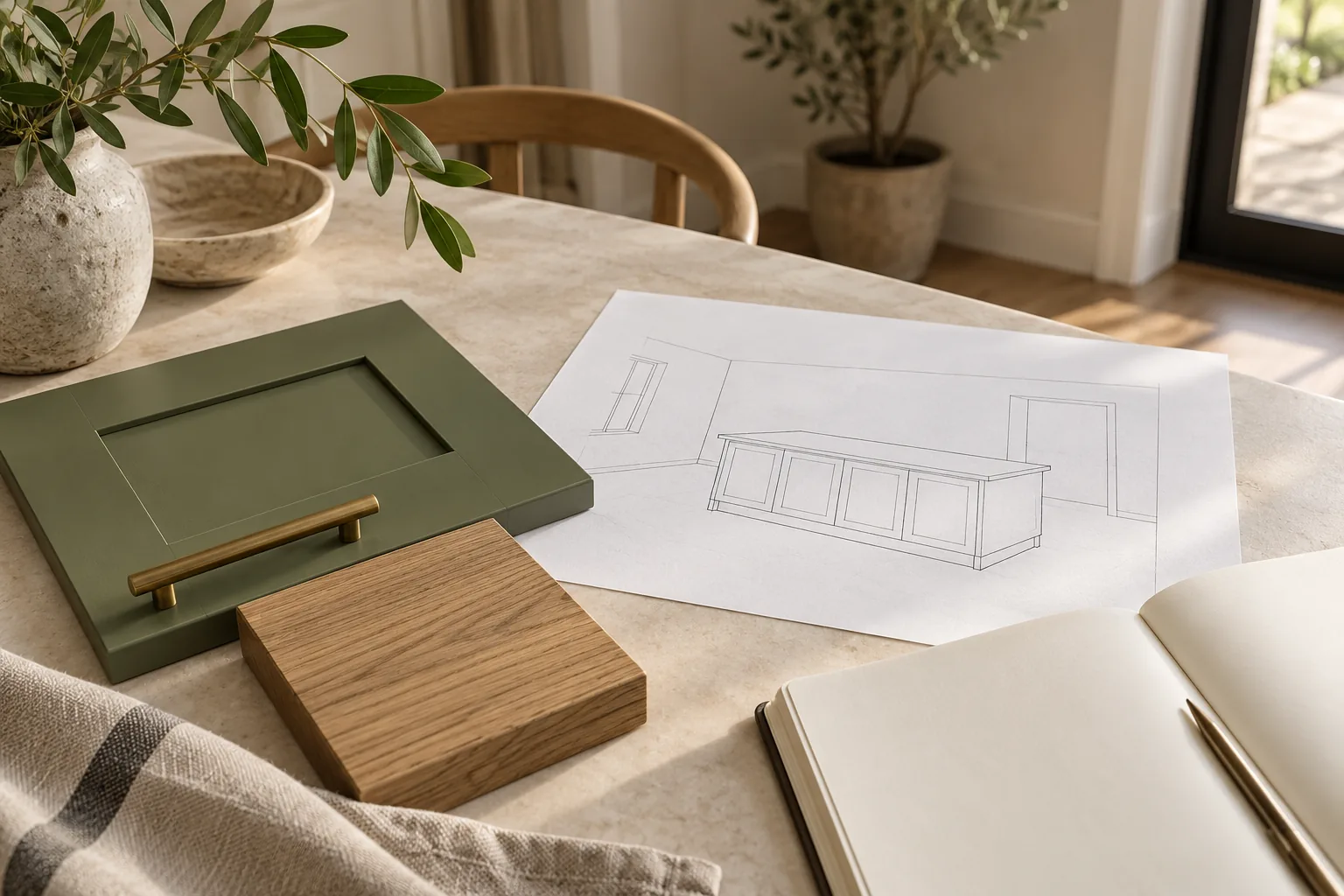
Cost comparison across named project addresses
If you are evaluating purchases for more than one address, ask for a separately identified estimate for each destination. Keep the product specification constant when testing a location-related charge. A difference in the total could otherwise reflect a different finish, unit count, or assembly arrangement. This directory has no verified freight prices for Senoia, Sharpsburg, or Grantville.
A hypothetical buyer comparing pickup with delivery should list the responsibilities involved in both choices. Pickup may require independently arranged transportation and handling; delivery may stop short of the intended room. Obtain actual terms rather than assuming either option includes every task. The comparison should identify an unquoted task plainly instead of pretending it has no cost.
Address-based estimates for these locality exercises are subject to change as the chosen seller assesses scope and fulfillment; its written quote must identify the amount and services accepted. Treat locality as an input to that assessment, not as a published price category. No estimate in a directory can guarantee that an address will be accepted or that a shipment can meet a preferred date.
Keep each project identity and consent clear
For one project, name the municipality, room, intended purchase, and stage of planning in a single inquiry. For multiple projects, use separate labels and avoid attaching unlabeled photographs. Someone reviewing the record should not need to guess which drawing belongs to which address. Keep your contact preference distinct from the destination information.
Share only the project information needed for the question you want reviewed. If a precise delivery address is not yet needed for an early buying discussion, a locality and ZIP can identify the context while you prepare the rest. A seller considering fulfillment will eventually need sufficient destination detail, but the guide does not imply that the owner has already arranged such consideration.
State permission for any possible handoff explicitly. The owner records and reviews your inquiry, while participation by a supplier remains unverified and conditional. There is no automatic town-based assignment. If you change the destination or project scope after submitting, identify that change clearly so later discussions use the revised facts rather than the directory example.
Illustrative product choices
Illustrative product visualizations, not completed work, local properties or supplier facilities.
Questions
Coverage questions
Does this directory prove that all three towns are served?
The directory establishes topics for buying information and names supported by the county source. It does not verify delivery coverage or a seller relationship. Acceptance must be obtained from the party offering goods or fulfillment for the actual project destination.
Why do the locality articles use different examples?
Different exercises give each guide a concrete purchasing problem without inventing facts about residents or properties. The staged kitchen, retained vanity components, and receiving handoff are hypothetical scenarios. You can use the exercise that best matches your uncertainty even if your address is elsewhere.
Can I compare one order at two possible destinations?
Ask the seller to identify the destination assumption in each estimate and preserve the product scope. Also compare included unloading and handling, because equal freight amounts can describe different arrangements. Neither destination should be treated as accepted until the seller confirms it.
What if I am unsure which locality to put on the form?
Use the place identification in your project records and label any uncertainty rather than choosing a town to fit this directory. Confirm the actual destination with the seller when discussing fulfillment. A guide listing is not a substitute for address identification or property-specific authority checks.
Talk to us about your project
Describe the purchase and project ZIP in Newnan. Supplier acceptance and any referral are confirmed separately; no visit or quote is booked by this form.
Calls only, we do not receive text messages.