
Sharpsburg · Grantville
Cabinet Quotes for Senoia, GA
Bring your project details together before considering a cabinet purchase.
Send my cabinet inquiry
Or call (562) 203-3232. Calls only, we do not receive text messages.
Buying the main kitchen units now and adding an accessory later can sound simple until the two purchases depend on each other. For a cabinet inquiry in Senoia, Newnan Cabinet Journal uses a hypothetical staged purchase to show what to ask before dividing the order. The useful distinction is between a choice that can wait and a dependency that needs an answer today.
- Independent buying guidance
- Product inquiries
- Seller availability confirmed separately
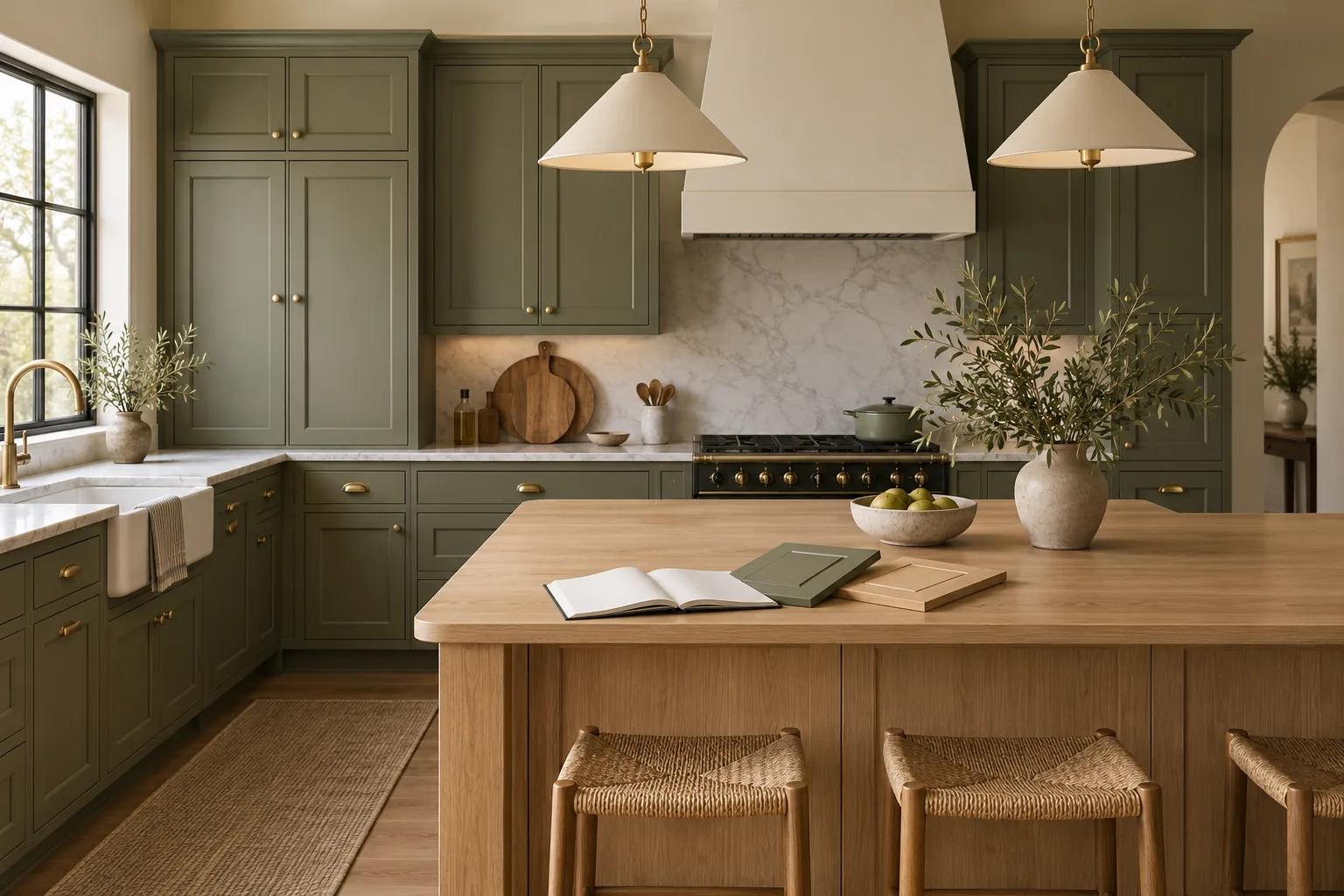
Cabinet purchase preparation in Senoia
The county source names Senoia as a municipality; it does not describe local buying habits or establish sellers willing to serve an address. The staged example is an editorial exercise for your own project. The owner records and reviews inquiries, with any potential sharing dependent on permission and separate acceptance. Nothing on this page automatically routes a ZIP to a supplier.
About Newnan Cabinet Journal
Know who handles each part
Independent cabinet buying information and quote-request service. We do not manufacture, stock or install cabinets. A referral, supplier response, appointment or purchase is not guaranteed. Product availability, delivery and installation must be confirmed directly with the seller or separately engaged contractor.
Senoia is the project identity, not a product assumption
The Coweta County SPLOST page identifies Senoia separately among the municipalities named in the supplied local ledger. That supports using the name in the project record. It does not show cabinet inventory, a delivery service, property type, or the terms of a sale.
When describing a Senoia kitchen, begin with the actual room and intended purchase. State what remains in the room and what is still under consideration. A seller needs those facts to understand the order; a municipality alone cannot supply them. Use the name consistently on your sketch and inquiry so the project is recognizable without attaching invented local characteristics.
If you are unsure whether a property permission or other approval affects your proposed work, seek an address-and-scope-specific answer from the relevant authority. Municipal identity does not resolve the approval question for a property. This guide keeps that question distinct from whether a seller is willing to quote or deliver cabinet products.
Divide the staged purchase by dependencies
The hypothetical buyer wants the main cabinets first and an internal pantry accessory later. List the essential units and the deferred item, then ask how the two relate. A later accessory may need a particular unit interior, front arrangement, or supporting component. Its compatibility should be checked while choosing the main unit, even if payment or delivery comes later.
Do not assume that anything described as an accessory can be added to every cabinet. Obtain the exact offered product information and ask which main unit it is intended to work with. If compatibility is uncertain, keep the staged plan provisional. The buyer can evaluate a different unit or a different accessory instead of discovering the dependency after committing.
Make the delayed choice visible in the purchase request. A seller quoting only the first phase should know that the buyer intends a later addition, while also knowing that the later transaction has not been agreed. That makes it possible to ask useful questions without suggesting the seller has accepted an obligation to supply future goods.
Ask what remains available after the first order
A current product listing does not guarantee that a matching finish, accessory, or individual unit will remain available later. Ask the seller what it can say about later purchases and what it cannot commit to. Keep an availability statement distinct from a reservation or accepted order. The Journal has no evidence of either for the hypothetical project.
For a visible later addition, consider what evidence supports a match. A familiar finish name alone may not establish identical appearance across separate purchases. Obtain the seller's information for the specific products and ask whether a sample or other check is relevant. Do not promise that every staged order will match or claim that every later purchase will differ.
The buyer should decide how much uncertainty they are willing to accept. If a future match is essential and cannot be established, the staged plan may need revision. If the deferred item is independent enough, proceeding could still be reasonable. The buying record should describe the unresolved risk rather than hiding it behind the locality or a product category.
Keep the first-phase room record complete
Even a partial product purchase needs a coherent room record. Identify retained appliance models, observed openings, and the arrangement the main units are intended to create. A deferred accessory does not justify leaving its required space unexplained. Ask the party checking the final plan to consider the intended future configuration where it affects the first phase.
The IKEA planning checklist supports bringing room and appliance information to the discussion. For this Senoia exercise, use that habit to document the intended first phase and the future question. It does not establish fit, field measuring, or a particular seller's ability to supply either phase.
Track revisions between the two phase lists. If the main cabinet changes, reopen the accessory compatibility question. If the future choice is abandoned, remove the assumption from the active plan. The seller should receive a current version rather than a sketch containing several possible arrangements that nobody has clearly accepted.
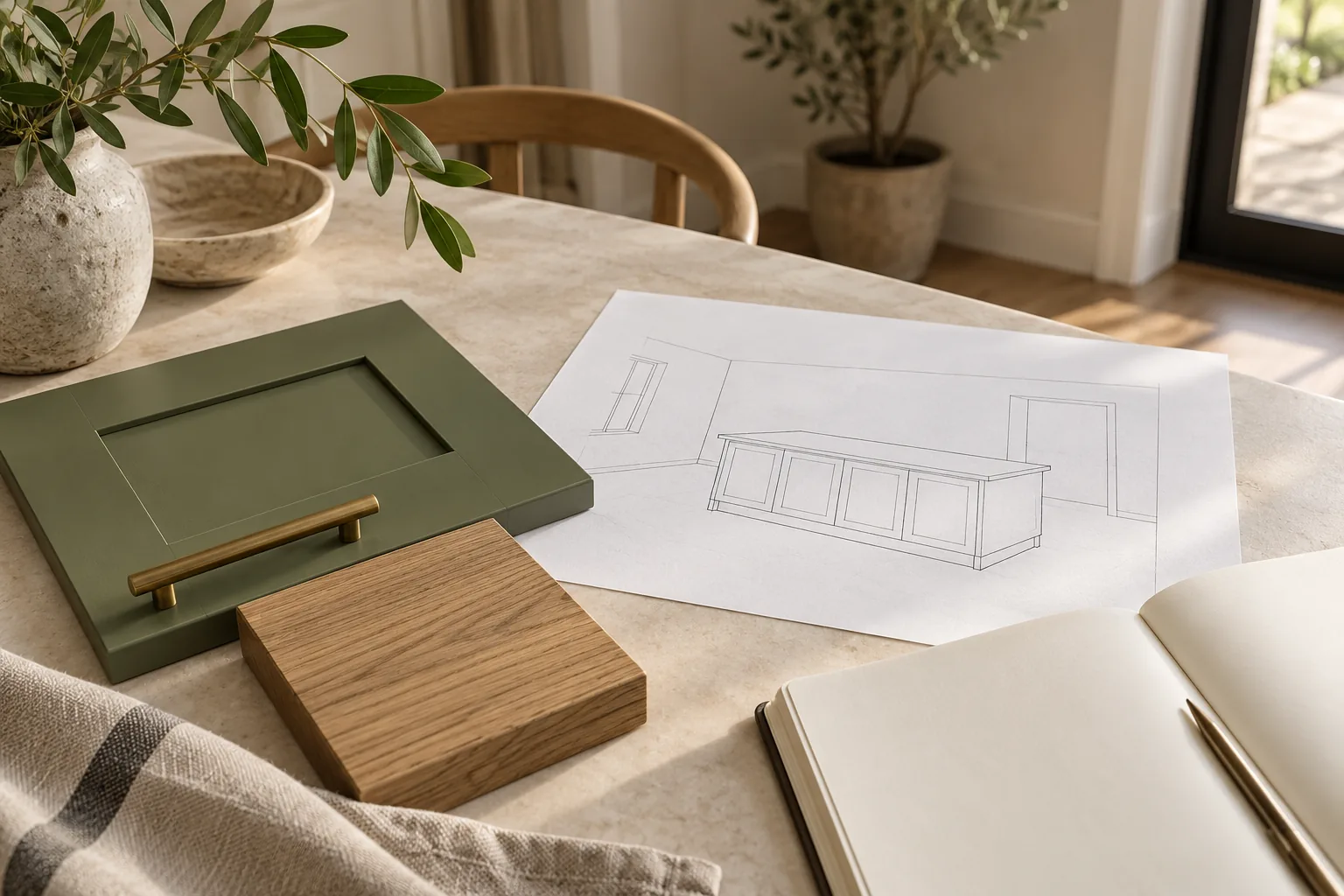
Cost estimates for one order versus two
No verified Senoia product or freight prices are in the source bank. Request a current estimate for the complete intended combination and, if the seller offers it, an estimate for the first-phase order. Ask which charges or terms would apply to a later purchase. A smaller immediate payment does not establish a lower complete-project cost.
The hypothetical buyer should identify possible additional freight, separate order conditions, and independently arranged work associated with the deferred item. Obtain actual terms where available and mark future amounts as unknown where they are not. Do not project a current price into a later transaction as if it has been reserved. The point is to understand the tradeoff in timing.
Staged-kitchen estimates for this Senoia exercise are subject to change as phase contents and fulfillment are confirmed; the accepting seller's written quote must establish the price of the order actually placed. A later purchase requires its own accepted offer. The Journal neither preserves future pricing nor guarantees the availability needed to complete the hypothetical second phase.
Send the stage question rather than a presumed referral
A useful inquiry says the project is in Senoia, identifies the first-phase units, and describes the later addition being considered. Include the room information already available and the precise dependency you need to resolve. Say which decisions are preliminary so a reviewer does not interpret the record as an authorization to place an order.
The owner records and reviews the submitted information. Consent for a possible handoff should be stated independently of the stage description. Supplier participation and address acceptance remain unverified; there is no automatic routing to sellers with confirmed territory. A recipient would have to decide whether it can consider the actual project under its own terms.
Before purchasing, confirm the accepted first-phase scope, destination, and transaction documents with the seller. Preserve the notes about future compatibility but distinguish them from current commitments. A guide can help formulate that conversation; it cannot promise a seller response, stock, delivery date, or installation arrangement for a Senoia address.
Inquiry process
From buying questions to a possible supplier quote
Sending an inquiry does not reserve products or book work.
Describe the purchase
Include project ZIP, room, approximate cabinet list and preferred timing.
Clarify requirements
Identify assembly, access, measurements and any separately arranged labor.
Confirm referral availability
An inquiry can be referred only if a suitable seller accepts the location and product request.
Review seller terms
Confirm the final drawing, itemized price, payment, delivery and return terms directly before ordering.
Illustrative product choices
Illustrative product visualizations, not completed work, local properties or supplier facilities.
Local buying information
Other local buying guides
Questions
Senoia Questions
Is buying cabinets in stages always less expensive?
It can reduce the immediate order while leaving later charges and availability unresolved. Compare the complete offered order with the first-phase offer and ask about another purchase's terms. No supplied Senoia price evidence establishes that staging produces a lower total.
Can I choose the pantry accessory after buying its cabinet?
Only after checking whether the intended accessory works with that exact unit and whether the uncertainty is acceptable. A generic accessory description does not establish compatibility or future supply. If the later choice affects the main unit, resolve that dependency before committing.
Does Senoia have a different delivery rule from Newnan?
The source names Senoia separately but supplies no seller delivery rule for either municipality. Ask the actual seller about the project destination and included handling. This locality guide does not establish territory, freight amounts, or a municipal delivery boundary.
Will my Senoia inquiry be sent to a seller automatically?
The owner records and reviews it; there is no established automatic ZIP referral. A possible handoff needs your permission and separate recipient acceptance. State the staged-purchase question and available facts so the review concerns your actual decision rather than a presumed supplier match.
Talk to us about your project in Senoia
Describe the purchase and project ZIP in Newnan. Supplier acceptance and any referral are confirmed separately; no visit or quote is booked by this form.
Calls only, we do not receive text messages.